
Paint correction & protection
What Does Machine Polishing Remove?
Machine polishing can transform gloss and clarity, but the safest result depends on defect depth, paint condition and how much material can responsibly be removed.
Quick answer
Machine polishing can reduce light swirls, wash marring, haze, mild oxidation and selected surface scratches. It cannot repair dents, stone chips, missing paint or every deep scratch, and some defects should be improved rather than completely removed.
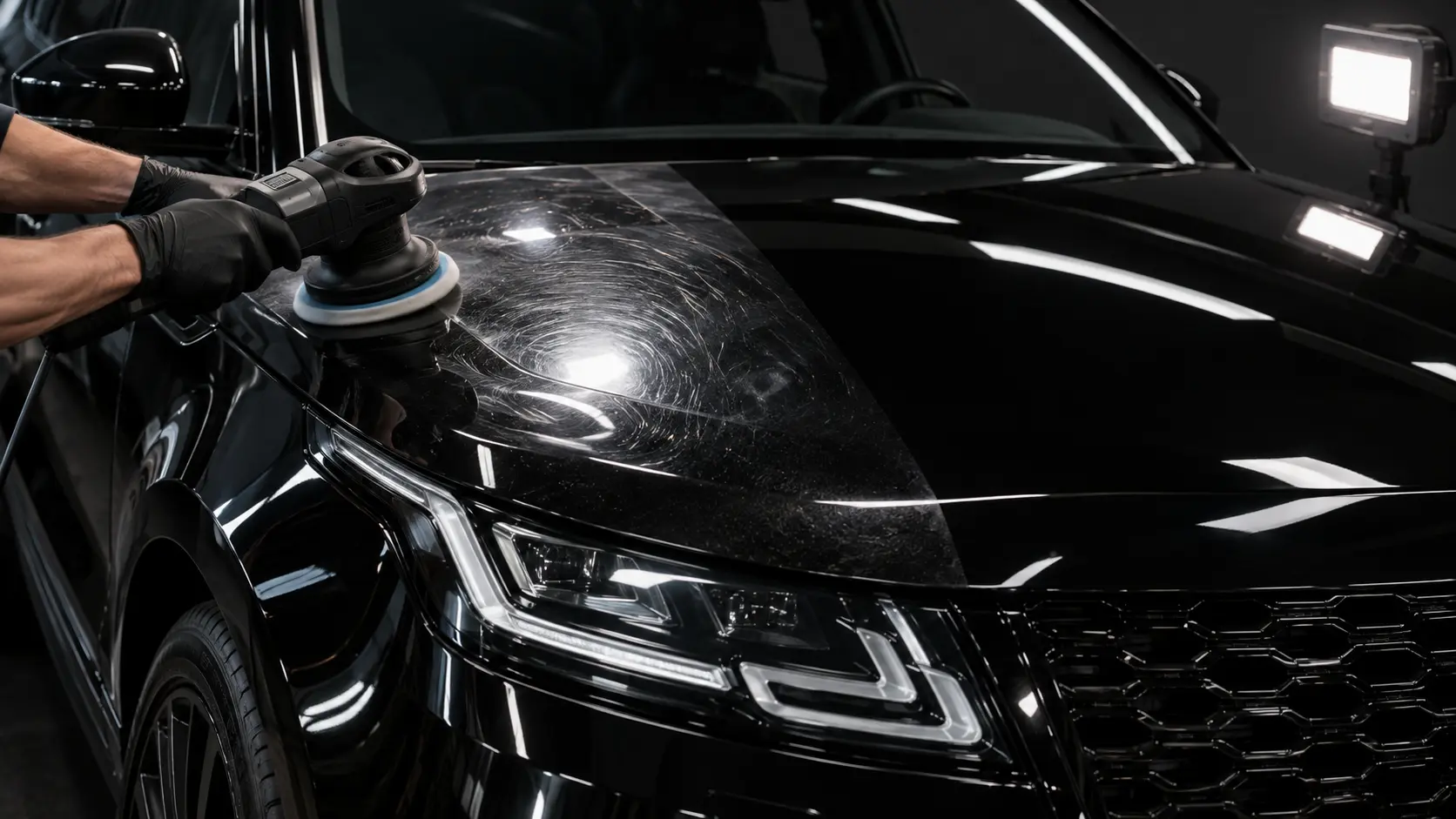
Swirl marks and wash marring
Fine circular marks are often caused by poor contact washing, dirty media or repeated automatic brush use. Stage 1 polishing can reduce lighter examples and improve overall clarity. More severe or widespread marring may need separate cutting and refining stages, provided the paint condition supports additional correction.
Haze, oxidation and lost gloss
Weathering, poor previous polishing and surface degradation can leave paint looking flat or cloudy. Machine polishing can remove or refine affected material to restore reflectivity. Severe clear-coat failure, cracking or paint that has deteriorated beyond the correctable layer cannot be repaired by polishing and may require refinishing.
Scratches and isolated defects
A useful first check is whether a scratch has penetrated through the clear coat or colour. Polishing can reduce selected surface marks, but chasing a deep defect can remove too much material. Edges and body lines also need conservative treatment. Safe improvement is more important than claiming every mark has disappeared.
What polishing cannot repair
Stone chips, dents, missing paint, corrosion, peeling lacquer and deep scratches through the finish are not valeting problems. Polishing may clean or improve the surrounding area, but a bodyshop or repair specialist is needed for the underlying damage. Protection applied afterwards will not hide those defects.
Why paint inspection comes first
Auto Opulence considers paint depth, panel history, previous repairs, defect severity and the owner’s objective before recommending Stage 1 or multi-stage work. A daily driver may benefit most from balanced enhancement, while a special vehicle can justify more detailed correction when the paint safely allows it.
At a glance
Defects and likely polishing response
| Defect | Possible response | Important limitation |
|---|---|---|
| Light swirls | Often reduced with Stage 1 | Result varies with paint hardness and depth |
| Heavy marring | May need multi-stage correction | More time and material removal |
| Surface scratch | Can sometimes be reduced | Deep marks should not be chased unsafely |
| Oxidation or haze | Can improve where the paint is viable | Clear-coat failure needs refinishing |
| Stone chip or dent | Not repaired by polishing | Requires a different repair process |
Practical checklist
Before choosing correction
- Inspect the car in direct and controlled light
- Identify previous paint repairs
- Discuss acceptable remaining defects
- Decide whether durable protection will follow
- Plan a safer future wash routine
- Treat missing paint or corrosion separately
Related case study
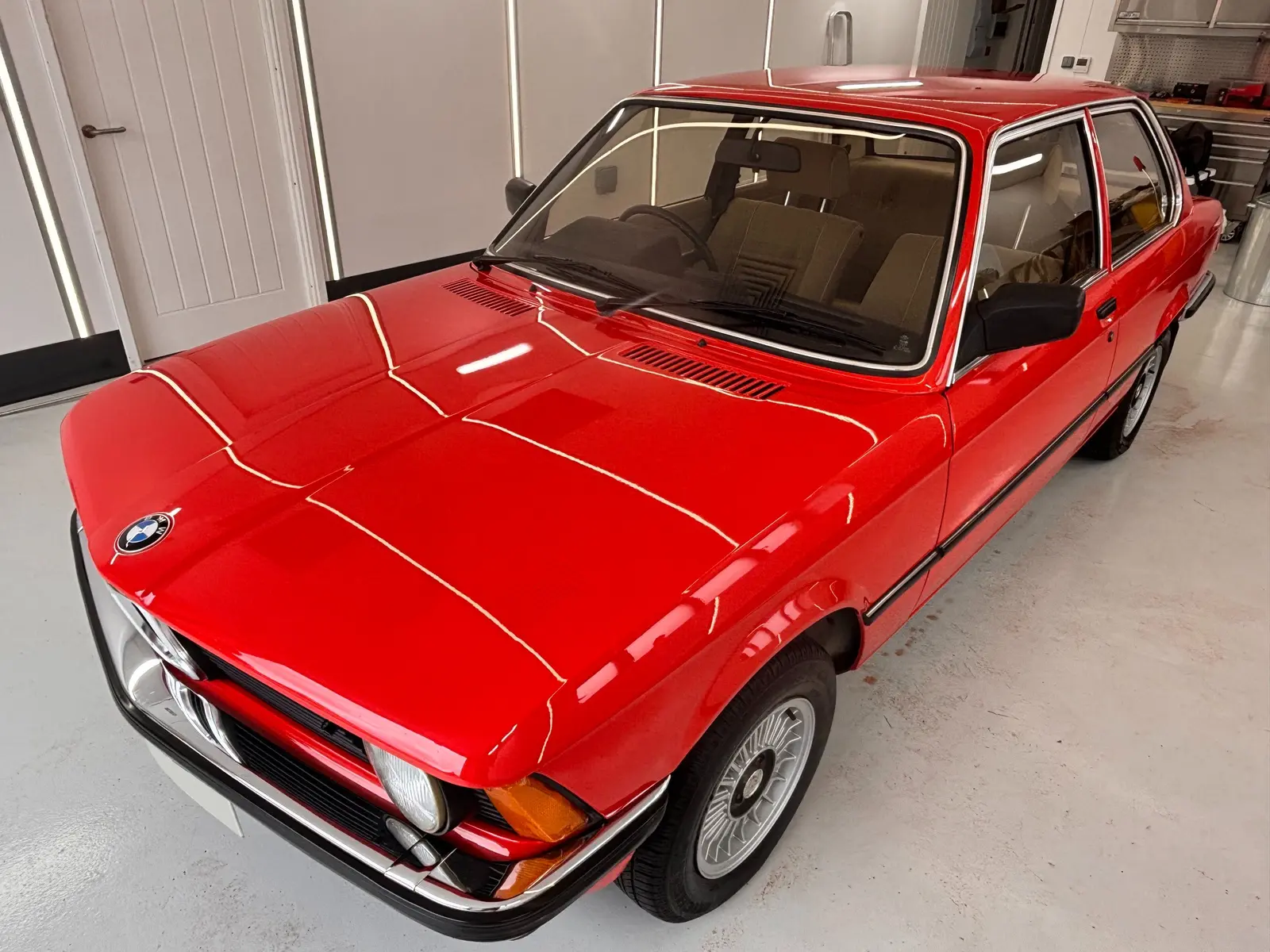
BMW E21 3 Series Restoration Detail
This factory-original BMW E21 3 Series arrived with its original paint, glass, matching numbers and original dealer-supplied number plates. Although the 45-year-old car had clearly been cared for, decades of use had dulled its red paintwork and marked the light interior. Over 18 focused hours, Auto Opulence deep-cleaned the cabin, corrected the paint, detailed the engine bay and applied Gyeon ceramic protection while respecting the car's originality.
View the vehicleRelevant treatments
Services mentioned in this guide.
Open a service to see exactly what is included, vehicle-size pricing and booking options.
 Vehicle Polishing
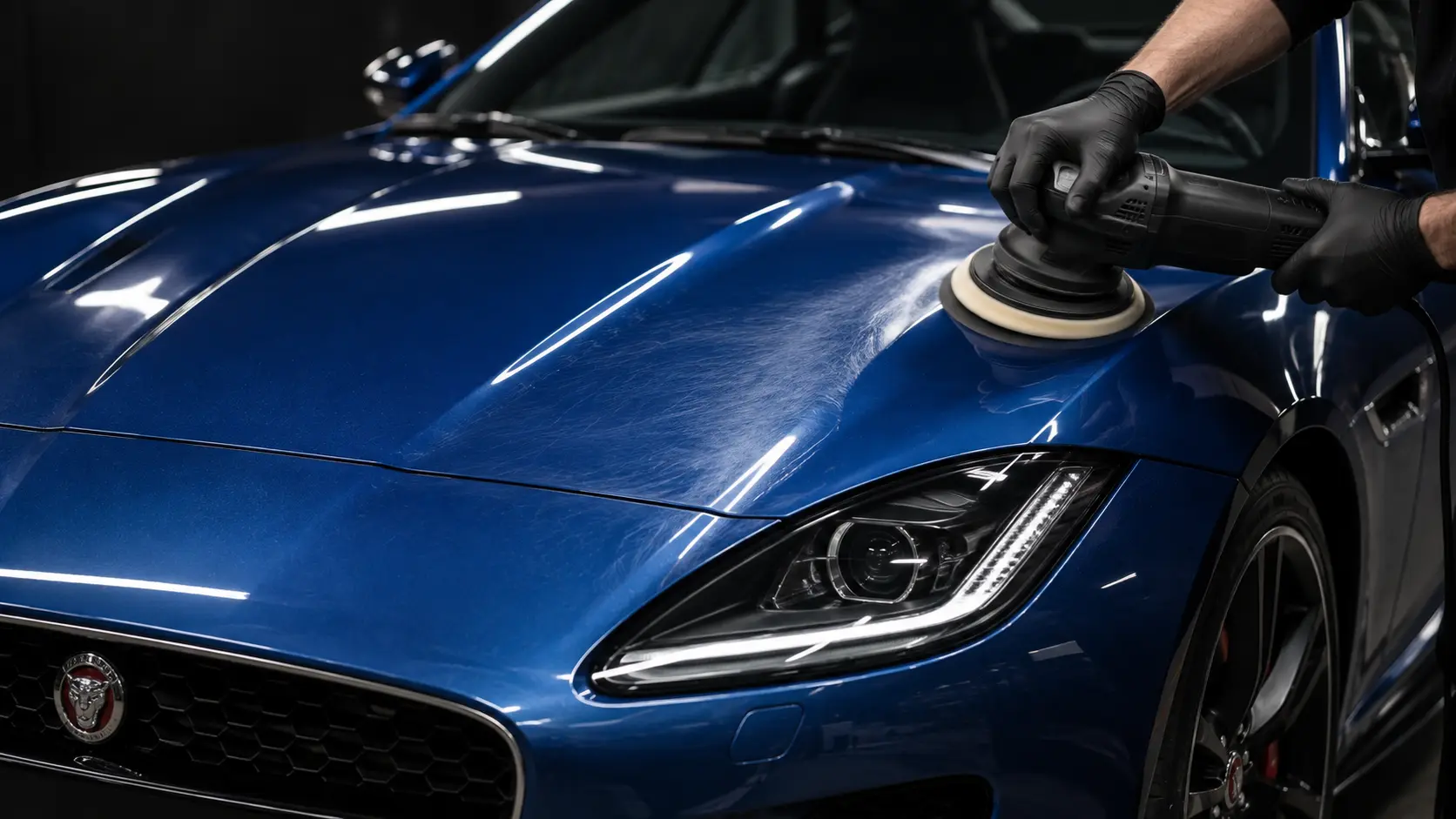
Stage 1 Machine Polish
Enhance gloss and reduce light swirls in a single polishing stage.
From £295View serviceVehicle PolishingMulti-Stage Paint Correction
Deeper correction for more visible swirls and paint defects.
From £345View service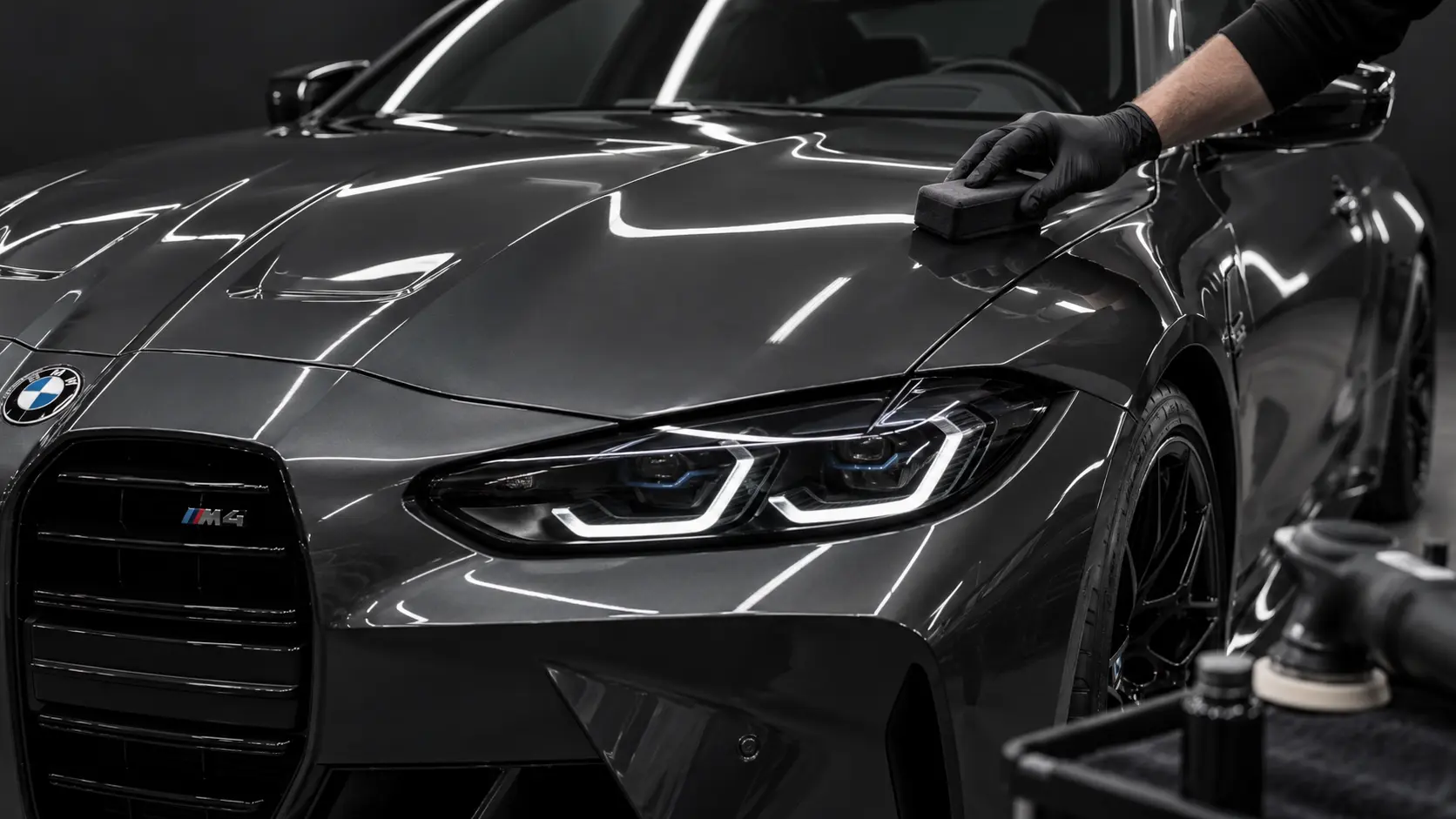 Vehicle Polishing
Paint Correction + 7-Year Ceramic
Correct the finish, then lock in long-term ceramic protection.
From £645View serviceFrequently asked
Good to know.
Can machine polishing remove key scratches?
Only if the mark is within a safely correctable surface layer. Deep scratches through the clear coat or colour cannot be polished away.
Will polishing remove all swirl marks?
No fixed result can be guaranteed. Correction depends on paint type, depth and condition. The objective is the safest useful improvement.
Does polishing make paint thinner?
Yes. Correction removes a controlled amount of material, which is why inspection and restraint matter.
Can polishing fix peeling lacquer?
No. Peeling or failed clear coat requires refinishing rather than machine polishing.
Keep reading
Related vehicle-care guides.
Norwich vehicle care
Need advice for your vehicle?
Tell us how it is used, its current condition and the result you want. We will recommend the most suitable starting point.