
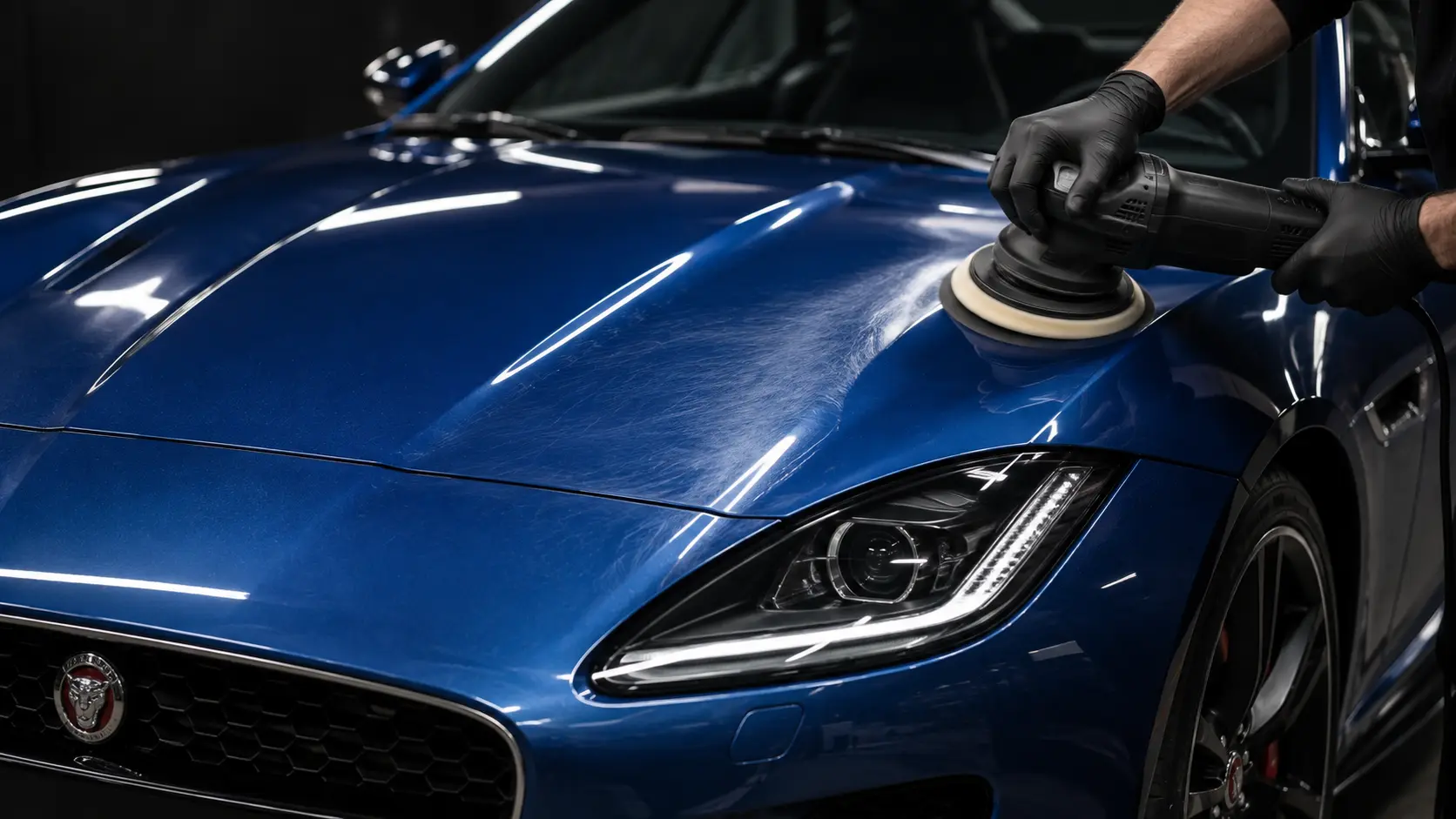
Paint correction & protection
Stage 1 vs Multi-Stage Polishing
The correct polishing process depends on paint condition, defect depth, previous repairs, available clear coat and the finish you want to achieve. More correction is not automatically the safest choice.
Quick answer
Stage 1 uses one polishing stage to improve gloss and reduce lighter swirls or wash marring. Multi-stage correction uses separate cutting and refining stages for more visible defects. Paint inspection comes first because some marks are too deep or unsafe to remove fully.
What Stage 1 polishing is designed to do
A single-stage enhancement balances visible improvement with a more efficient process. It can restore clarity and gloss while reducing lighter swirl marks, haze and wash marring. The exact correction level varies with paint hardness, defect depth and previous work, so the result is discussed as an improvement rather than a fixed percentage guarantee.
When multi-stage correction is appropriate
More visible or widespread defects may need an initial cutting stage followed by refining. The first stage targets heavier imperfections and the second restores clarity and finish. This takes longer and removes more material than a light enhancement, which is why paint condition and available depth have to justify the additional work.
Paint-depth checks and previous repairs
Not every panel has the same history. Refinished areas, edges and older paint can respond differently. Thickness readings and visual inspection help identify risk, but no measurement replaces careful technique. Some deeper scratches should be reduced rather than chased completely when further removal would compromise the finish.
Protection after correction
Freshly corrected paint needs appropriate protection and safe future washing. A protective finishing treatment can be included, while long-term ceramic coating requires careful panel preparation and curing. The seven-year coating is an additional charge when booked separately and requires at least a clay-bar decontamination wash.
How to choose the right level
Choose Stage 1 when the priority is stronger gloss and reduction of lighter defects on a daily-driven or generally well-kept vehicle. Consider multi-stage correction when swirls, haze and defects remain too visible for a single enhancement. Auto Opulence inspects the paint and discusses a realistic finish before confirming the process.
At a glance
Stage 1 and multi-stage polishing compared
| Factor | Stage 1 | Multi-stage |
|---|---|---|
| Primary aim | Gloss enhancement and lighter defect reduction | Deeper correction followed by refinement |
| Process | One machine-polishing stage | Cutting and refining stages |
| Best for | Light swirls, haze and wash marring | More visible or widespread defects |
| Starting price | £295 | £345 |
| Ceramic option | Protection can follow preparation | Available as a correction and coating package from £645 |
Practical checklist
Inspection considers
- Paint depth and panel history
- Defect type and depth
- Edges, contours and vulnerable areas
- The finish expected by the owner
- Future washing and maintenance
- Whether ceramic protection is required
Related case study
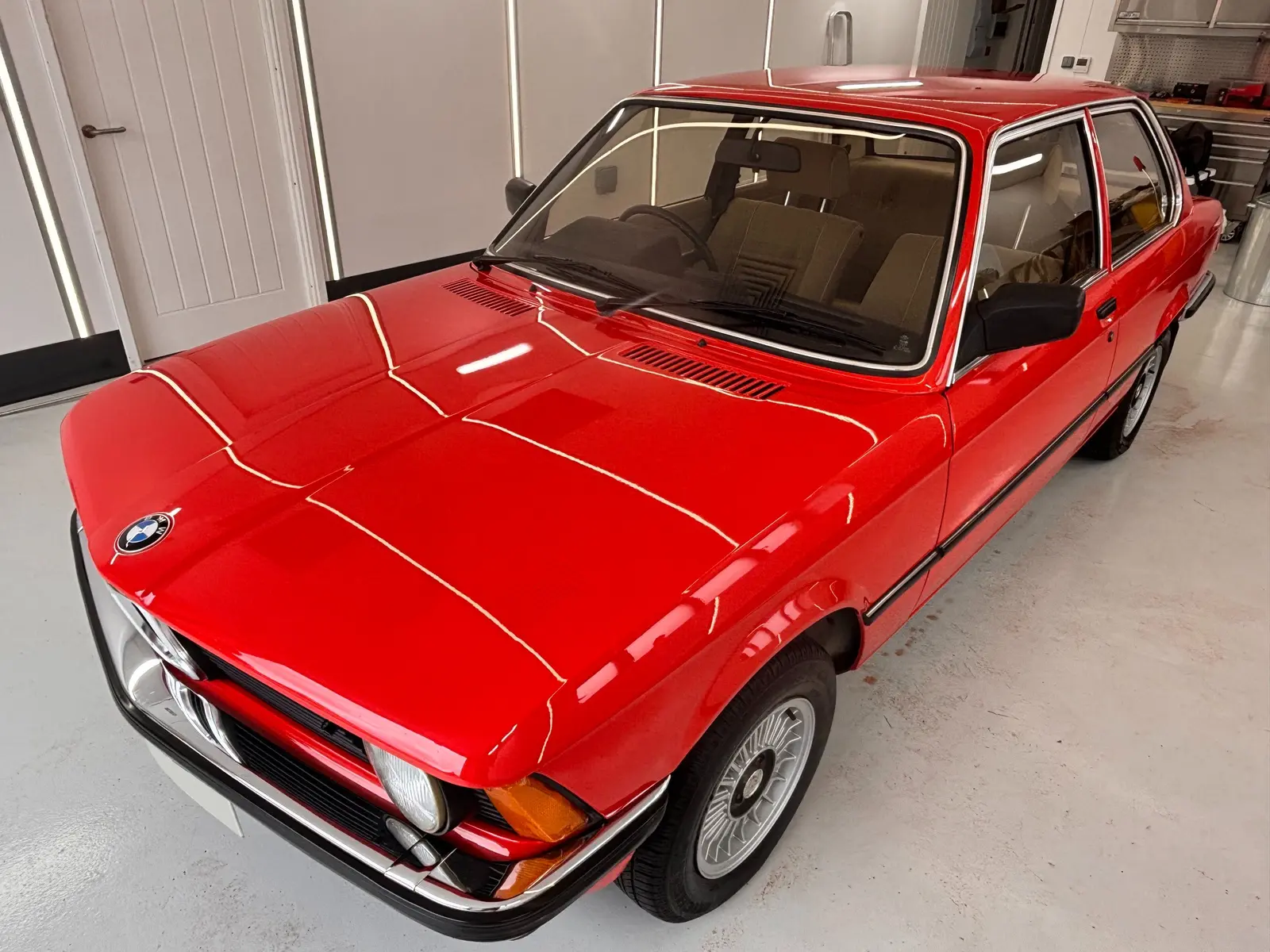
BMW E21 3 Series Restoration Detail
This factory-original BMW E21 3 Series arrived with its original paint, glass, matching numbers and original dealer-supplied number plates. Although the 45-year-old car had clearly been cared for, decades of use had dulled its red paintwork and marked the light interior. Over 18 focused hours, Auto Opulence deep-cleaned the cabin, corrected the paint, detailed the engine bay and applied Gyeon ceramic protection while respecting the car's originality.
View the vehicleRelevant treatments
Services mentioned in this guide.
Open a service to see exactly what is included, vehicle-size pricing and booking options.
Vehicle PolishingStage 1 Machine Polish
Enhance gloss and reduce light swirls in a single polishing stage.
From £295View service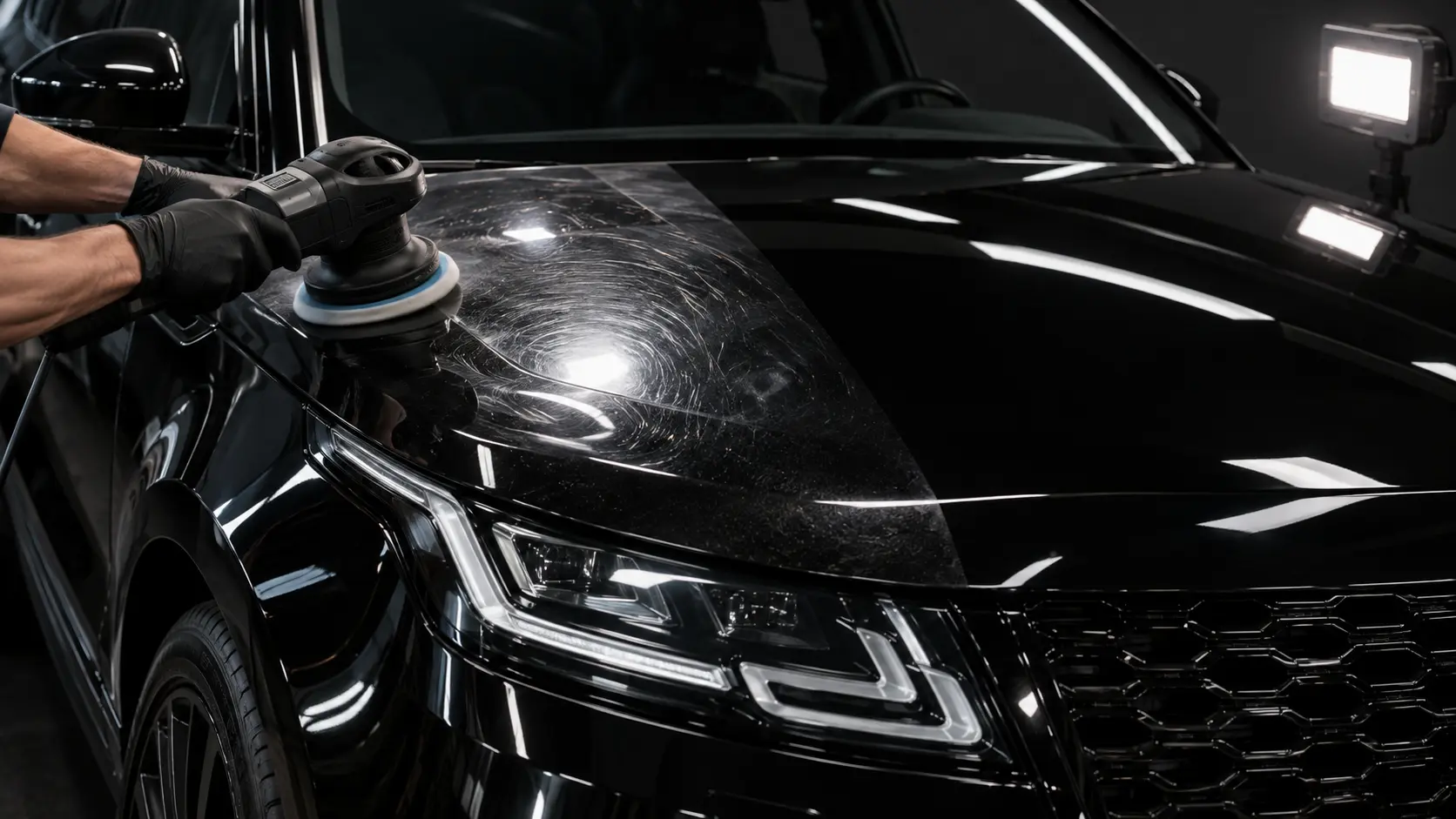 Vehicle Polishing
Multi-Stage Paint Correction
Deeper correction for more visible swirls and paint defects.
From £345View service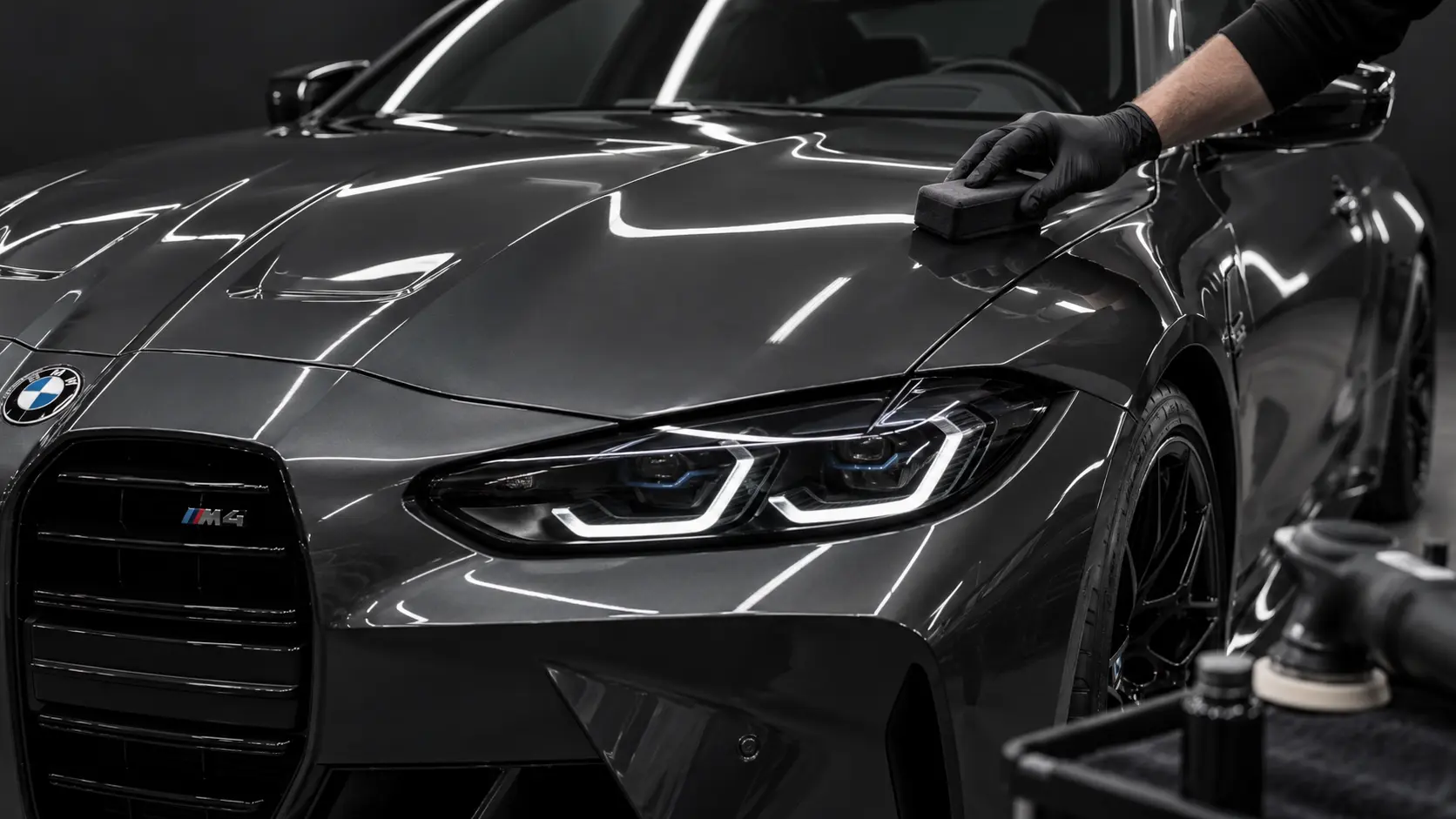 Vehicle Polishing
Paint Correction + 7-Year Ceramic
Correct the finish, then lock in long-term ceramic protection.
From £645View serviceFrequently asked
Good to know.
Will Stage 1 remove every swirl mark?
No. It is designed to improve gloss and reduce lighter imperfections. Deeper or widespread defects may remain and can require multi-stage correction where the paint is suitable.
Can a deep scratch be polished out?
Some scratches can be reduced, but a mark through the clear coat or colour layer cannot be safely polished away. The depth is assessed before work.
Does multi-stage polishing damage paint?
Machine polishing intentionally removes a controlled amount of material. Safe correction depends on inspection, appropriate combinations and avoiding unnecessary removal.
How much does polishing cost?
Stage 1 starts from £295 and multi-stage correction from £345, with the final price linked to vehicle size and the selected service.
Should ceramic coating be applied after polishing?
It can be a useful way to protect the corrected finish and make maintenance easier. It is optional unless included within the selected package.
Keep reading
Related vehicle-care guides.
Norwich vehicle care
Need advice for your vehicle?
Tell us how it is used, its current condition and the result you want. We will recommend the most suitable starting point.