
Valeting & interior care
How Often Should You Valet a Car?
There is no single valeting interval that suits every vehicle. The right frequency depends on mileage, passengers, pets, parking conditions, the season and the presentation standard you want to maintain.
Quick answer
A well-kept daily car normally benefits from frequent maintenance cleaning and a more complete valet every few months. High-use, family, pet or passenger vehicles need attention sooner, while spills, damp and organic contamination should be treated promptly rather than left until the next planned visit.
Start with how the car is used
Mileage alone does not determine how quickly a vehicle becomes dirty. A short school run can introduce food, mud and damp coats, while motorway driving creates road film, insects and brake dust. A lightly used second car may stay visually clean for longer, but vehicles parked beneath trees or outdoors can collect sap, pollen and bird contamination even when they cover very few miles.
Maintenance clean or deeper valet?
A regular hand wash and vacuum suits vehicles that are already in reasonable condition. A complete interior and exterior valet provides a broader reset, while extraction cleaning and additional working time are more appropriate for staining, embedded dirt, pet hair or neglected load areas. Choosing the depth from condition prevents both under-cleaning and unnecessary expense.
Adjust the schedule through the year
Winter introduces road salt, wet footwear and longer drying times. Spring brings pollen, summer adds insects and tree sap, and autumn creates leaves and damp organic debris. A sensible schedule changes with these conditions instead of following the same interval all year. Prompt removal matters more than waiting for a fixed calendar date when contamination could stain or damage a surface.
Watch for signs that the vehicle is due
Smearing on glass, visible road film, gritty paint, dusty vents, matted carpets, persistent odours and dirt around seat edges all indicate that normal upkeep is no longer enough. Exterior protection also becomes harder to assess when contamination masks water behaviour. Deal with these signs early so the next service remains maintenance rather than restoration.
Build a routine you can maintain
The best plan is realistic. Frequent light care is normally more efficient than allowing dirt to become embedded and booking an intensive clean only when the vehicle is difficult to use comfortably. Auto Opulence can recommend a wash, valet or deeper treatment after seeing the vehicle, then help you choose a repeat interval based on how quickly the same problems return.
At a glance
Typical starting points by vehicle use
| Vehicle use | Maintenance rhythm | Deeper care |
|---|---|---|
| Lightly used or stored car | Wash when contamination appears | Seasonal valet or before storage |
| Daily commuter | Weekly to monthly depending on mileage | Complete valet every few months |
| Family or pet vehicle | Frequent vacuum and spill removal | Deep interior treatment as condition requires |
| Taxi or private hire | Frequent passenger-area maintenance | Planned complete valets around working hours |
| Classic or show vehicle | Condition-led low-contact care | Specialist preparation before events or storage |
Practical checklist
Book sooner when you notice
- Spills, damp or organic contamination
- Persistent cabin odours
- Embedded pet hair or sand
- Gritty paint after washing
- Smearing glass or heavily marked load areas
- Road salt or bird contamination left on exterior surfaces

Related case study
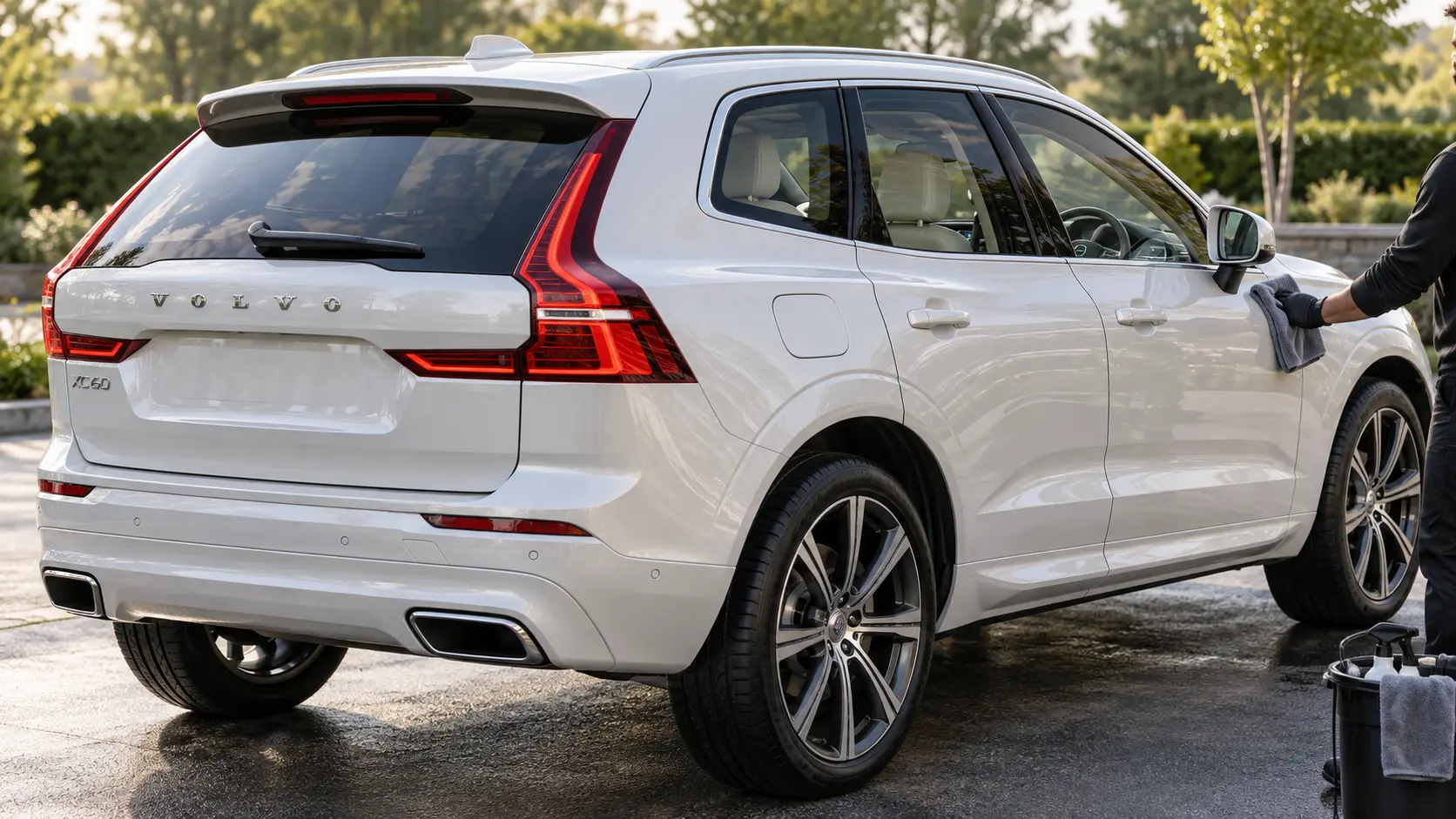
Volvo XC60 End-of-Lease Valet
Auto Opulence collected this three-year-old Volvo XC60 for a thorough end-of-lease clean. Although its owner had looked after it carefully, grime had accumulated in hard-to-reach areas and within the boot carpet. After several focused hours of interior and exterior cleaning, plus the reduction of two surface scratches, the vehicle was transformed and returned directly to the customer with minimal disruption.
View the vehicleRelevant treatments
Services mentioned in this guide.
Open a service to see exactly what is included, vehicle-size pricing and booking options.
 Vehicle Washing
Hand Wash & Vacuum
Exterior maintenance plus a tidy, refreshed cabin.
From £49View serviceVehicle ValetingPremium Exterior & Interior Valet
Complete care inside and out in one coordinated service.
From £70View service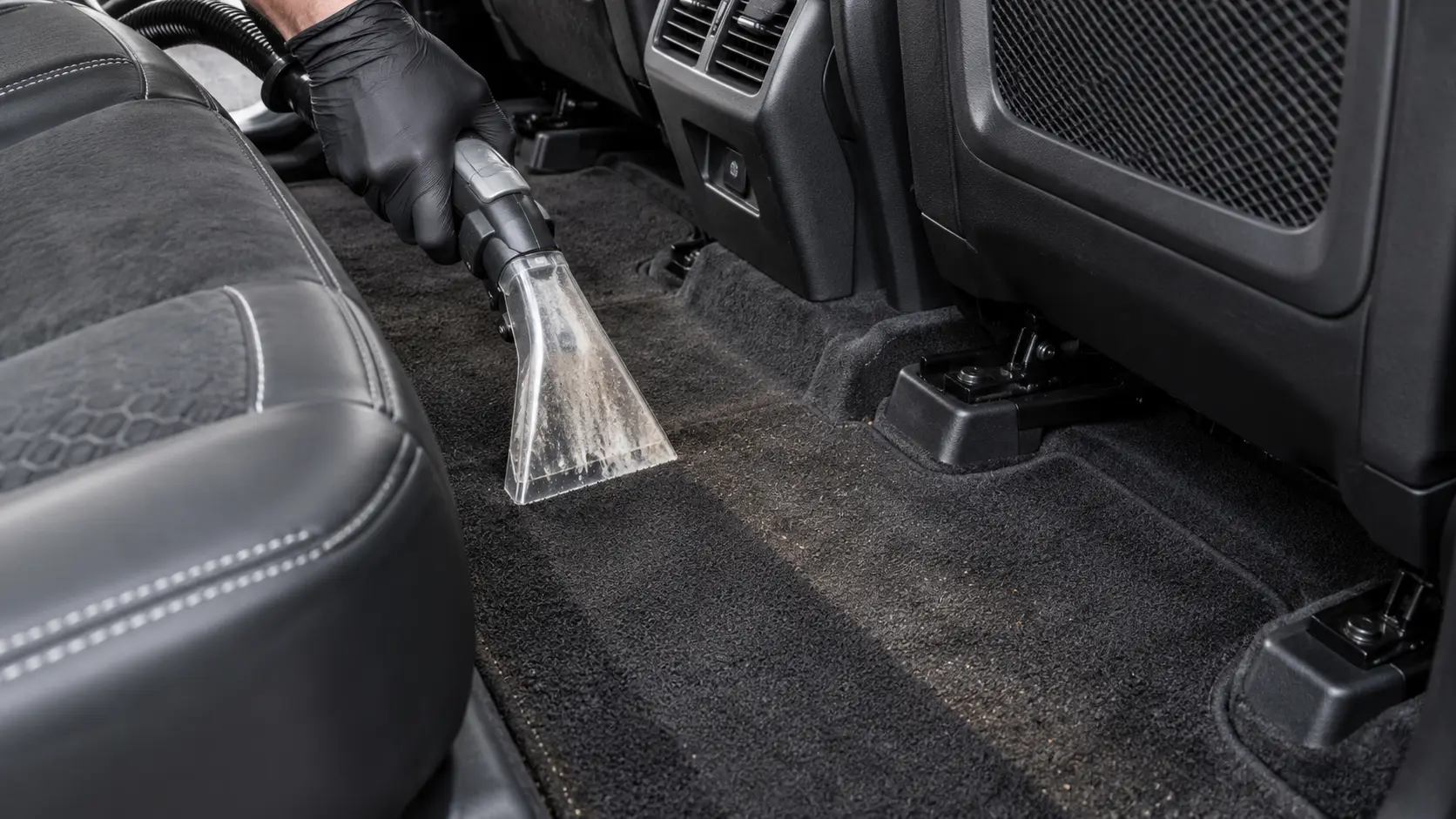 Vehicle Valeting
Deep Interior Clean
Focused cleaning for heavily used, marked or neglected interiors.
From £70View serviceFrequently asked
Good to know.
Is valeting every month too often?
Not when the process and service level suit the vehicle. A regularly maintained car may only need a lighter wash and vacuum, while complete or deep treatments should be chosen from condition rather than repeated unnecessarily.
How often should a family car be valeted?
Family cars often need frequent vacuuming and prompt spill removal, with a more complete valet every few months. Children, pets, food and outdoor activities can shorten that interval considerably.
Should I wait for winter to end before booking?
No. Salt, damp debris and road film should not be left for an entire season. Regular maintenance through winter is more useful than allowing contamination to build up until spring.
Can I maintain the vehicle between professional valets?
Yes. Remove loose debris, deal with spills quickly and use a safe hand-wash routine. Avoid aggressive products or scrubbing when you are unsure about a material or stain.
Does ceramic coating remove the need for valeting?
No. Ceramic protection can make exterior maintenance easier, but the vehicle still needs safe washing and the interior still requires normal cleaning.
Keep reading
Related vehicle-care guides.
Norwich vehicle care
Need advice for your vehicle?
Tell us how it is used, its current condition and the result you want. We will recommend the most suitable starting point.