
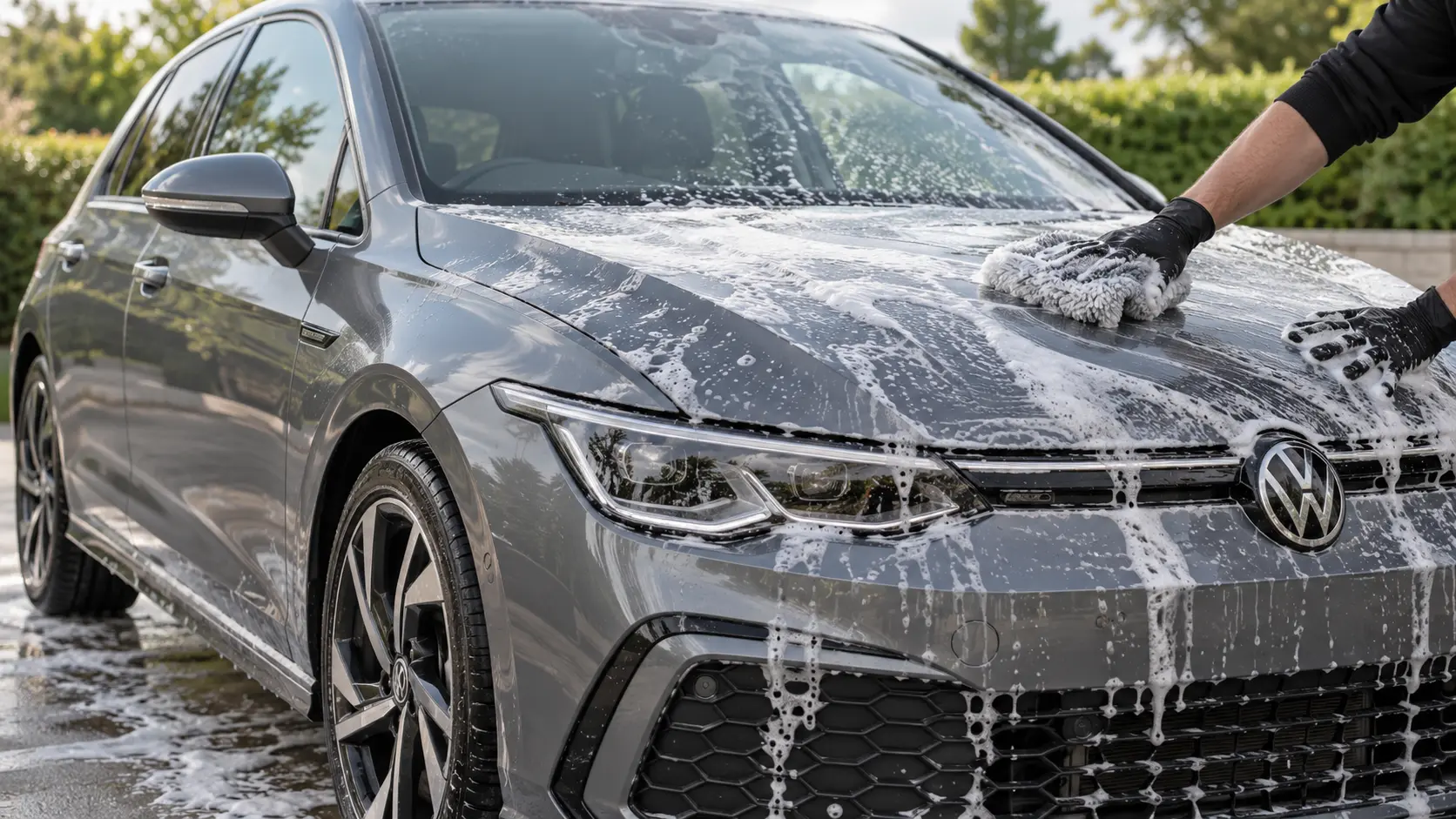
Washing & decontamination
Hand Wash vs Automatic Car Wash
Both methods remove visible dirt, but the contact process, attention to detailed areas and control over products can be very different. The right choice depends on the finish you want and the condition of the vehicle.
Quick answer
A professional hand wash can adapt the process to the vehicle and reduce unnecessary contact by using pre-wash, suitable wash media and controlled drying. Automatic systems are fast, but shared brushes and fixed cycles cannot respond to individual paint, wheels, trims or contamination.
How the contact process differs
A planned hand wash begins by loosening loose dirt before wash media touches the paint. This reduces the amount of grit moved across the finish. An automatic brush system follows a fixed cycle and the contact material is used across many vehicles. A touchless automatic wash removes brush contact but may rely on stronger chemistry and still cannot adapt detailed areas in the same way.
Wheels, badges, trims and awkward areas
Hand washing allows separate tools and products to be used around wheels, tyres, badges, grilles, mirrors and panel gaps. Automatic equipment concentrates on the main exterior shape and may leave intricate areas or heavily contaminated wheels partly untreated. The difference becomes more visible on vehicles with complex styling or large alloy wheels.
Drying matters as much as washing
Water left to evaporate can deposit minerals, particularly in bright conditions. Controlled drying with suitable microfibre towels or filtered air reduces spotting and allows trapped water around mirrors and gaps to be addressed. Auto Opulence also uses spotless water within the professional facility to support a cleaner final rinse.
A normal wash cannot remove everything
Tar, iron fallout, industrial contamination and rough bonded deposits can remain after visible road dirt has gone. Repeated washing will not safely remove every deposit. A two-step decontamination wash or clay-bar treatment is more appropriate when the paint stays gritty or needs preparation before polishing and coating.
Choose from the vehicle’s condition
Automatic washing may appeal when speed is the only priority, but owners concerned about paint condition normally benefit from controlled hand methods. Vehicles with damaged trim, delicate finishes, matte areas or specialist protection need additional care. Tell the team about unusual surfaces or recent paintwork before washing begins.
At a glance
Hand wash and automatic wash comparison
| Factor | Professional hand wash | Automatic wash |
|---|---|---|
| Contact | Controlled tools and vehicle-specific approach | Fixed cycle using shared equipment |
| Detailed areas | Wheels, trims and gaps can be addressed | Main exterior shape is prioritised |
| Drying | Controlled drying and inspection | Varies by system |
| Adaptability | Process can change with condition | Limited adaptation |
| Bonded contamination | Can lead into specialist decontamination | Normal cycle will not remove all deposits |
Practical checklist
Choose specialist washing when
- Paint feels gritty after a normal wash
- The vehicle has visible tar or iron contamination
- Paint will be polished or ceramic coated
- The car has delicate trim or specialist surfaces
- You want wheels, badges and detailed areas addressed
- Avoiding unnecessary brush contact is important
Relevant treatments
Services mentioned in this guide.
Open a service to see exactly what is included, vehicle-size pricing and booking options.
Vehicle WashingHand Car Wash
A safe wash and dry for regular vehicle maintenance.
From £30View service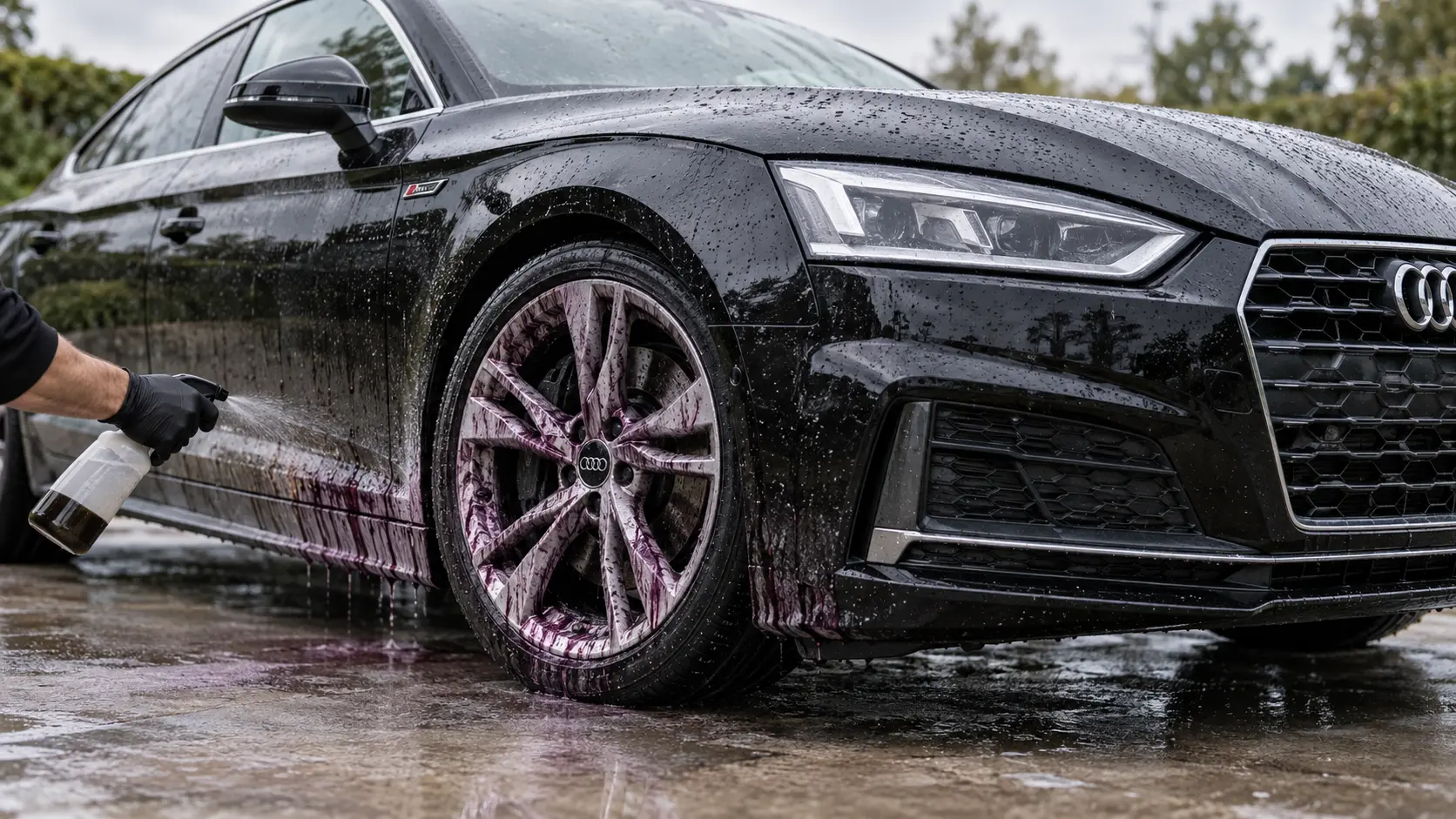 Vehicle Washing
Two-Step Decontamination Wash
Remove bonded iron and tar before applying protection.
From £80View service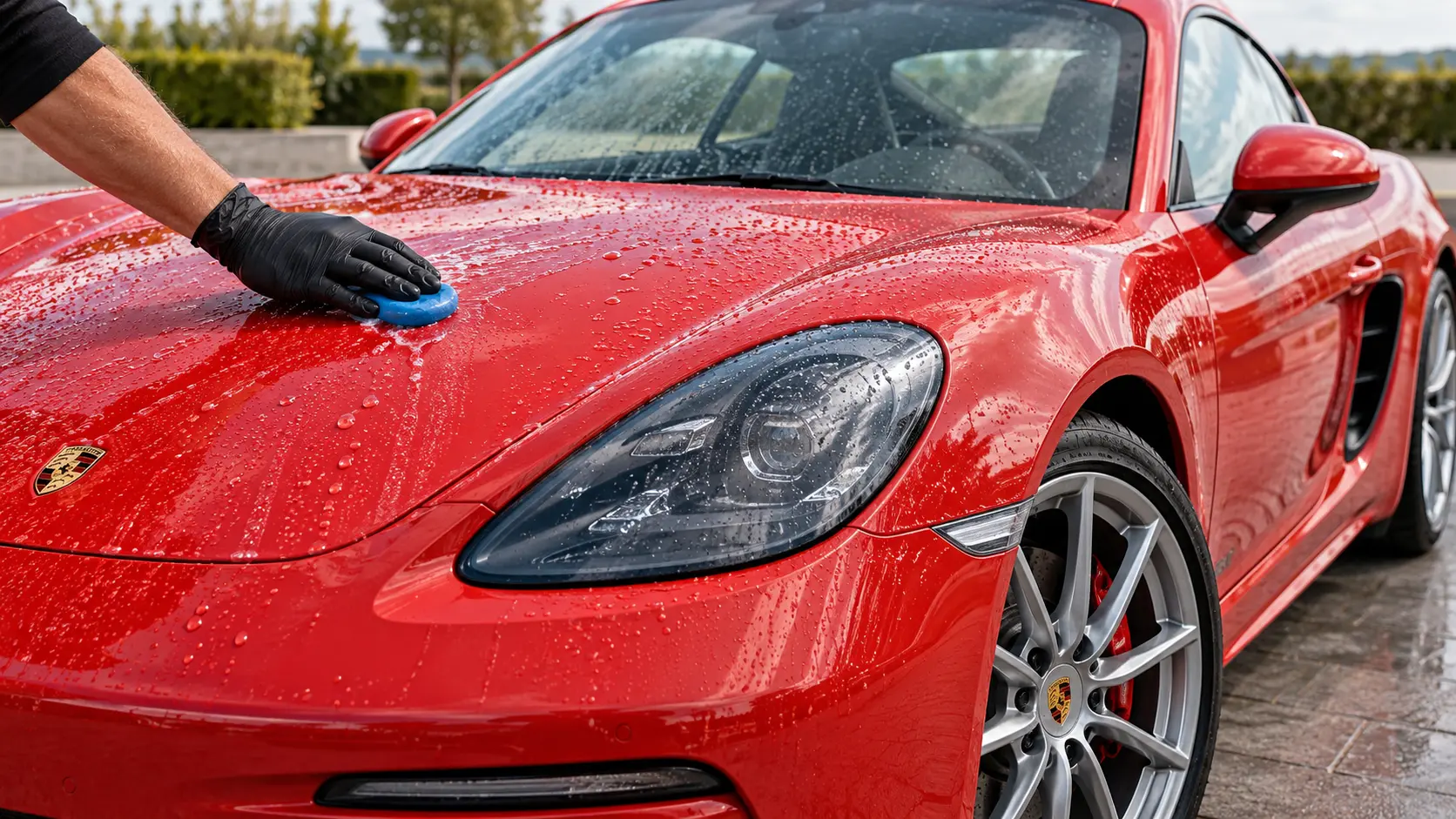 Vehicle Washing
Clay Bar Decontamination Wash
A complete decontamination process for a noticeably smoother finish.
From £195View serviceFrequently asked
Good to know.
Will one automatic wash definitely scratch a car?
It is not possible to predict the result of every system or every visit. The concern is that fixed equipment and shared contact material offer less control over the dirt being moved across an individual vehicle.
Is a touchless wash safer?
It removes brush contact, but cleaning ability and chemical strength vary. It may still leave detailed areas or bonded contamination untreated and does not replace a controlled inspection.
How often can a car be hand washed?
A properly maintained vehicle can be washed regularly using suitable methods. Frequency depends on mileage, weather, parking and the contamination present.
Why does the paint still feel rough after washing?
Bonded iron, tar, overspray or environmental deposits may remain attached to the surface. Decontamination and possibly clay treatment are required rather than more aggressive washing.
Should a car be washed before machine polishing?
Yes. Thorough washing and appropriate decontamination are essential before polishing so dirt and bonded deposits are not worked across the paint.
Keep reading
Related vehicle-care guides.
Norwich vehicle care
Need advice for your vehicle?
Tell us how it is used, its current condition and the result you want. We will recommend the most suitable starting point.